

Tucked away within the University of Reading, the Cole Museum of Zoology is a fascinating museum dedicated to natural history, science, and discovery.
First established in 1906 by Professor Francis Cole, this unique museum has grown into an important home for zoological study, offering visitors the chance to explore thousands of specimens from across the natural world.
Being just a short drive from Easthampstead Park Hotel, it’s an ideal addition to your itinerary if you’re staying nearby and looking to explore something educational and engaging during your visit.
When is the Cole Museum of Zoology Open?
The museum is generally open during the week, typically from around 9AM, though it’s always best to check online before you visit for the latest opening times.
Better still, entry is completely free, making it an accessible day out for everyone.
What to Expect at the Cole Museum of Zoology
Located within the Health and Life Sciences Building on the Whiteknights Campus, this museum offers a rich snapshot of animal life and scientific study.
As you explore, you can expect:
Thousands of specimens, including rare and preserved animal specimens.
Detailed skeleton displays showcasing comparative anatomy.
Exhibits covering animal diversity from around the world.
A wide-ranging museum collection built over decades of research and work.
Educational displays from the School of Biological Sciences.
From delicate taxidermy to striking skeletal models, the museum brings science and natural history to life in an engaging and approachable way.
Discover the History of the Museum
The Cole Museum of Zoology has a rich history dating back to 1906, when Professor Francis Cole began assembling teaching materials for students.
His work laid the foundation for what is now one of the UK’s most important university zoological collections.
Over the years, the museum collection has expanded significantly, with contributions from researchers, professors, and institutions across the world.
Today, it continues to support learning, research, and public engagement in science.
Preparing For Your Visit To The Cole Museum Of Zoology
A little planning can help you make the most of your time at the museum:
Check opening times online before your visit.
Allow enough time to explore the full collection.
Combine your visit with a walk around Whiteknights Campus.
Consider visiting as part of a wider stay in the Berkshire area.
Even if you’re based at Easthampstead Park Hotel, the museum is close enough for a relaxed morning or afternoon trip.
A Closer Look at the Collection
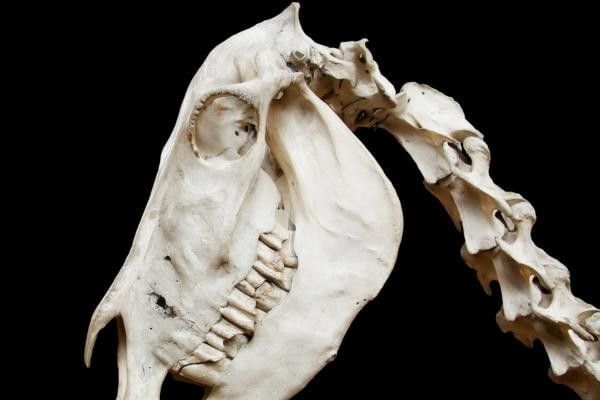
One of the highlights of the Cole Museum of Zoology is its incredibly diverse collection.
Visitors can discover:
- Animal specimens used for teaching and research.
- Skeletons that demonstrate structure and function.
- Models and displays explaining key scientific concepts.
- Early specimens collected for study in the field of zoology.
The museum provides a unique opportunity to explore how animals are studied, understood, and preserved for future generations.
Why Visit the Cole Museum of Zoology?
Part of what makes the Cole Museum of Zoology so special is its blend of education, history and accessibility.
From its early beginnings under Professor Francis Cole to its role today within the University of Reading, it remains an important space for discovery and learning.
And with its close proximity to Easthampstead Park Hotel, it’s an easy and worthwhile addition to your stay.
Whether you’re interested in animal diversity, science, or simply looking for a free and fascinating day out, this museum offers something for everyone.
It’s a place where history, life, and science come together all under one roof.
FAQs About the Cole Museum of Zoology
Where is the museum located?
The museum is located within the Health and Life Sciences Building at the University of Reading’s Whiteknights Campus.
Is it free to visit?
Yes, the museum is completely free to visit.
What can I see there?
You’ll find thousands of specimens, skeletons, taxidermy, and exhibits focused on animal life and natural history.
Is it suitable for children?
Yes, it’s suitable for families and school groups, with plenty of educational displays.
Who was Professor Francis Cole?
Professor Francis Cole was a key figure in the museum’s history, establishing the original collection in 1906 for teaching and research.
Is there a gift shop?
Facilities can vary, so it’s best to check online before your visit.