

The history of Wokingham starts from its Saxon origin to its development as a thriving market centre, with its history spanning centuries of trade, industry and civic pride.
Here at Easthampstead Park Hotel, we always recommend exploring what our wonderful hometown Wokingham offers as it's the perfect way to connect with the local heritage.
Read on as we explore how Wokingham became the town it is today.
When Did Wokingham's History Begin?
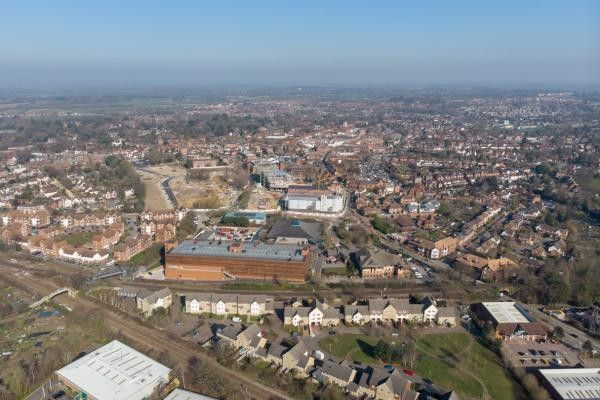
Originally, Wokingham was a forest town developed within royal woodland in Berkshire.
Early settlers relied on timber, meat and leather trades, forming the foundations of Wokingham town.
Wokingham's earliest milestones include Wokingham receiving a market charter, formally establishing it as a market town in Berkshire.
Additionally, in the 14th century Wokingham appeared in historical records where the town consisted of modest buildings clustered around the Market Place.
The High Street was where Broad Street and the Terrace now meet, forming the commercial centre of old Wokingham.
This charter ensured Wokingham became an established trading hub within Berkshire.
What Was Wokingham Town Known For?
Wokingham became famous for several industries including meat and leather production boosted due to cheap grazing land, the silk industry particularly during the late 16th century and throughout the 17th century and Bell casting by the Lush Brothers of Wokingham on Bell Foundry Lane.
Many local churches throughout Berkshire still ring out on Wokingham bells cast in the town.
Cock fighting was popular, with bulls paraded around the town and baited by dogs.
The end of cock fighting eventually came in the 19th century, marking a shift in local traditions.
Historic Buildings in Wokingham Dating Back Centuries
One of the most fascinating parts of Wokingham history is its surviving architecture.
Several historic buildings in Wokingham dating back centuries remain central to the town’s character.
These include The Town Hall, Lucas Hospital and Montague House.
The Town Hall
The current Town Hall was opened in 1860 by Richard Neville with ceremony and remains at the heart of civic life.
Today, Wokingham Town Council continues this tradition, working alongside Wokingham Borough Council to support the community.
The coat of arms reflects Wokingham’s heritage:
- A field of acorns on a gold shield symbolising Wokingham as a forest town
- A Tudor rose
- A Saxon crown
- An ermine chevron
- A stag supporting the shield
Lucas Hospital
Founded in 1612 by Henry Lucas, Lucas Hospital was established to support the poor people of the town.
Situated off Fishponds Road, it remains a Grade I listed building and an important landmark in Wokingham town.
Montague House
Montague House reflects the manor house tradition in Berkshire and contributes to the collection of buildings in Wokingham dating from the 18th century.
How Did Transport Shape Wokingham?
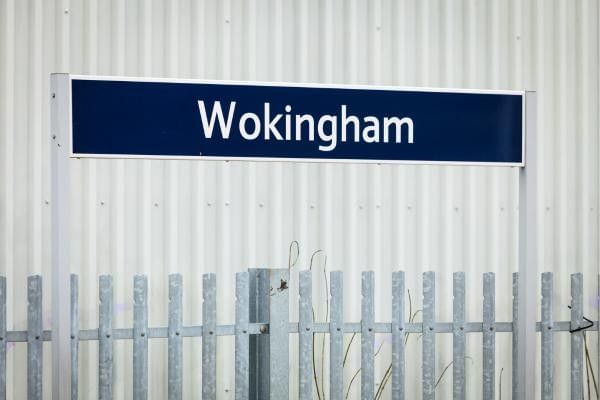
Transport developments played an important role in Wokingham history.
The Staines to Reading line was completed in the 19th century, and trains stopped at Wokingham, strengthening trade and travel links.
A regular bus service through Wokingham, including services by the Thames Valley Traction Company, further connected the town to surrounding areas.
Over time, Wokingham became increasingly residential while preserving its historic Market Place and town centre.
------------
We hope you found this article both interesting and informative! If you’d like to explore more fascinating local history, take a look at our article on the "Fascinating Facts About Bracknell."
------------
FAQs related to the History of Wokingham
What is the origin of Wokingham town?
Wokingham town has a Saxon origin, with its name believed to come from followers of a man called Wocca.
The settlement developed in Berkshire woodland, establishing Wokingham as a forest town centred around trade and agriculture.
When did Wokingham become a market town?
Wokingham received a market charter in 1219, which formally established it as a recognised trading centre.
The Market Place became the focal point of commercial life, shaping the development of Wokingham history for centuries.
Why was Wokingham famous in the past?
Wokingham became famous for several industries, including meat and leather, the silk industry in the late 16th century and throughout the 17th century, and its bell foundry operated by the Lush Brothers of Wokingham.
Many local churches still ring out on Wokingham bells cast in the town.
What are the most historic buildings in Wokingham dating back centuries?
Some of the most notable historic buildings in Wokingham dating back centuries include the Town Hall (opened in 1860), Lucas Hospital (founded in 1612 by Henry Lucas), and Montague House.
These buildings reflect key stages in Wokingham town’s civic and architectural development.
Who manages Wokingham town today?
Today, Wokingham Town Council oversees local civic matters, working alongside Wokingham Borough Council.
The Wokingham Society also plays an important role in preserving historic buildings in Wokingham and promoting awareness of Wokingham history throughout the community.